
 Français
 Español
 Products
 About Us



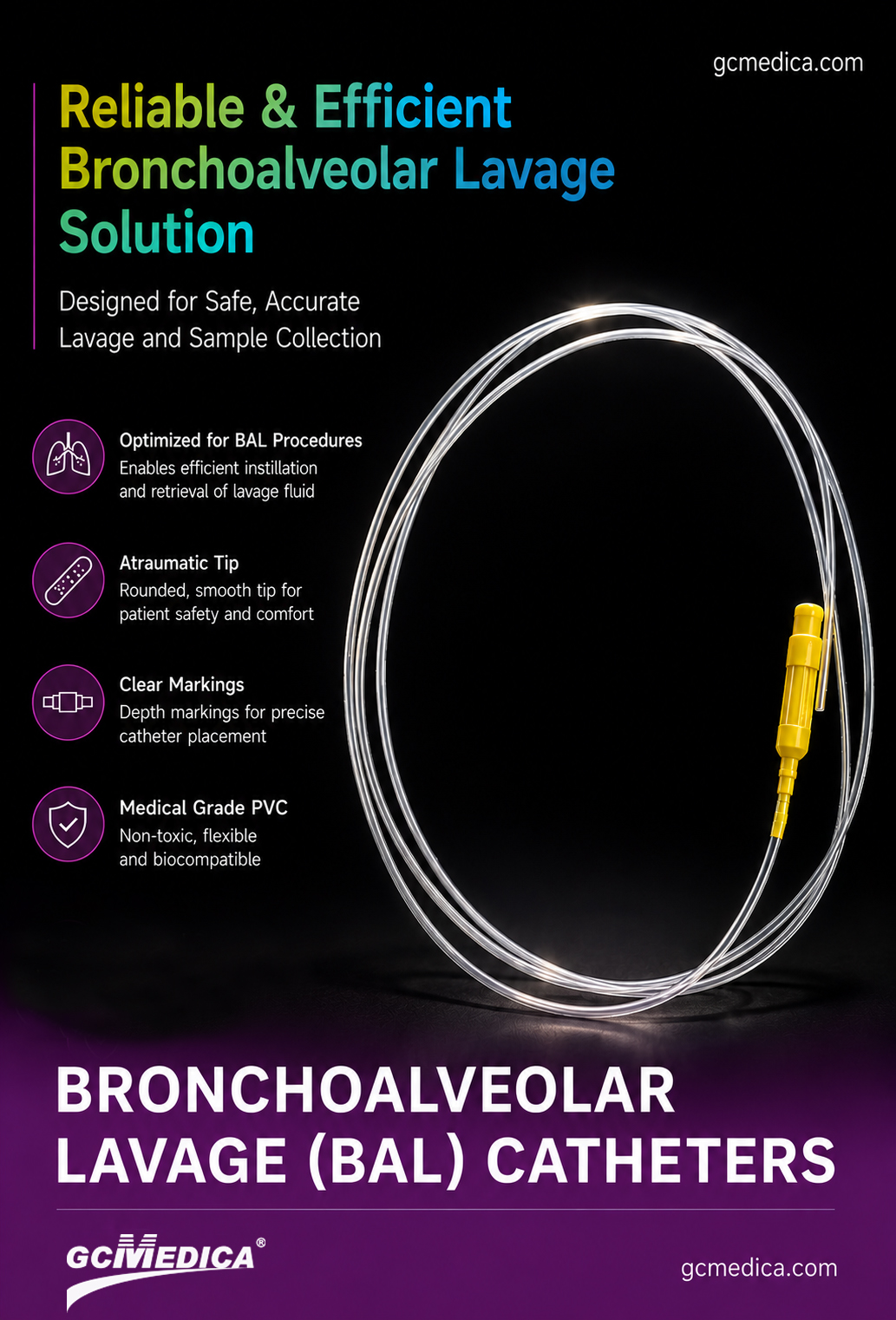
Respiratory diseases often cannot be diagnosed through imaging studies or sputum samples alone.
When clinicians need to investigate infections, inflammation, or other abnormalities located deep within the lungs, obtaining samples directly from the lower respiratory tract becomes essential.
This is where bronchoalveolar lavage (BAL) plays an important role.
A bronchoalveolar lavage procedure allows healthcare professionals to collect fluid samples from the lower airways and alveolar regions, providing valuable diagnostic information that may not be available through routine testing alone.
To perform the procedure effectively, a dedicated bronchoalveolar lavage catheter is commonly used to support saline instillation and sample recovery.
Why Are BAL Samples Needed?
While sputum testing remains useful in many respiratory cases, it has several limitations.
Samples obtained through expectoration may be contaminated by organisms from the upper airway, making it difficult to determine whether detected pathogens originate from the lungs or from the mouth and throat.
In other situations, patients may be unable to produce an adequate sputum sample. Even when samples are available, they may not accurately represent disease processes occurring deep within the pulmonary system.
Bronchoalveolar lavage helps overcome these challenges by allowing clinicians to obtain specimens from areas closer to the alveoli, where many respiratory diseases originate.
BAL sampling is commonly used in the evaluation of:
Bacterial pneumonia
Ventilator-associated pneumonia (VAP)
Fungal respiratory infections
Interstitial lung diseases
Chronic inflammatory respiratory disorders
Immunocompromised patient infections
By collecting samples directly from the lower respiratory tract, clinicians can often obtain more representative diagnostic information to guide treatment decisions.
What Does a BAL Catheter Actually Do?
A common misconception is that a BAL catheter functions the same way as a standard suction catheter.
In reality, the objectives of the two devices are different.
A bronchoalveolar lavage catheter is designed specifically to support diagnostic sample collection rather than routine airway secretion removal.
The catheter serves two essential functions:
Deliver sterile saline into the target airway.
Recover the lavage fluid for laboratory analysis.
During the procedure, saline is introduced into a selected lung segment and then aspirated back through the catheter. The recovered fluid may contain microorganisms, inflammatory cells, proteins, and other materials that help clinicians evaluate pulmonary conditions.
The goal is not routine suctioning but obtaining a representative diagnostic sample.
This distinction is what makes BAL catheters valuable tools in respiratory diagnostics.
How Is a BAL Sample Collected?
Although procedural techniques may vary between institutions, the overall process generally follows several key stages.
1. Access the Target Airway
The procedure is typically performed using a bronchoscope, which allows visualization of the airways and access to the area of interest within the lung.
Once the target bronchial segment has been identified, the BAL catheter can be positioned appropriately.
2. Introduce Sterile Saline
A measured volume of sterile saline is instilled into the selected airway segment.
The saline acts as a washing solution, helping collect cells, microorganisms, and other diagnostic material from the lower respiratory tract.
3. Recover the Sample
After a brief dwell time, the lavage fluid is aspirated back through the catheter.
The recovered specimen contains material from the distal airways and alveolar spaces, making it useful for microbiological, cytological, and pathological evaluation.
4. Send for Laboratory Evaluation
The collected sample is transferred to the laboratory for analysis.
Depending on the clinical indication, testing may include bacterial cultures, fungal cultures, viral detection, cell differential counts, cytology, or other specialized examinations.
The information obtained can contribute significantly to diagnosis and treatment planning.
Why Use a Dedicated BAL Catheter Instead of a Standard Suction Catheter?
Although both devices involve fluid aspiration, they are designed for different clinical objectives.
| BAL Catheter | Standard Suction Catheter |
|---|---|
| Diagnostic sample collection | Secretion removal |
| Designed for lavage procedures | Designed for airway clearance |
| Supports sample recovery | Supports mucus evacuation |
| Controlled saline instillation and aspiration | Routine suctioning |
| Focus on diagnostic accuracy | Focus on airway management |
Because bronchoalveolar lavage aims to obtain representative lower-airway samples, dedicated BAL catheters are often preferred when diagnostic quality is a primary concern.
Selecting a device designed specifically for lavage procedures may help improve consistency and sample collection efficiency.
Applications Beyond Human Healthcare
Bronchoalveolar lavage is not limited to human medicine.
The technique is also widely used in veterinary respiratory diagnostics.
Veterinary BAL Procedures
Veterinarians frequently perform BAL procedures when evaluating respiratory diseases in animals, particularly when non-invasive testing fails to provide sufficient diagnostic information.
Common applications include:
Equine respiratory disease investigations
Small animal pulmonary diagnostics
Chronic cough evaluations
Infectious respiratory disease assessment
As a result, veterinary BAL catheters have become important tools in animal healthcare settings.
What Buyers Typically Evaluate When Sourcing BAL Catheters
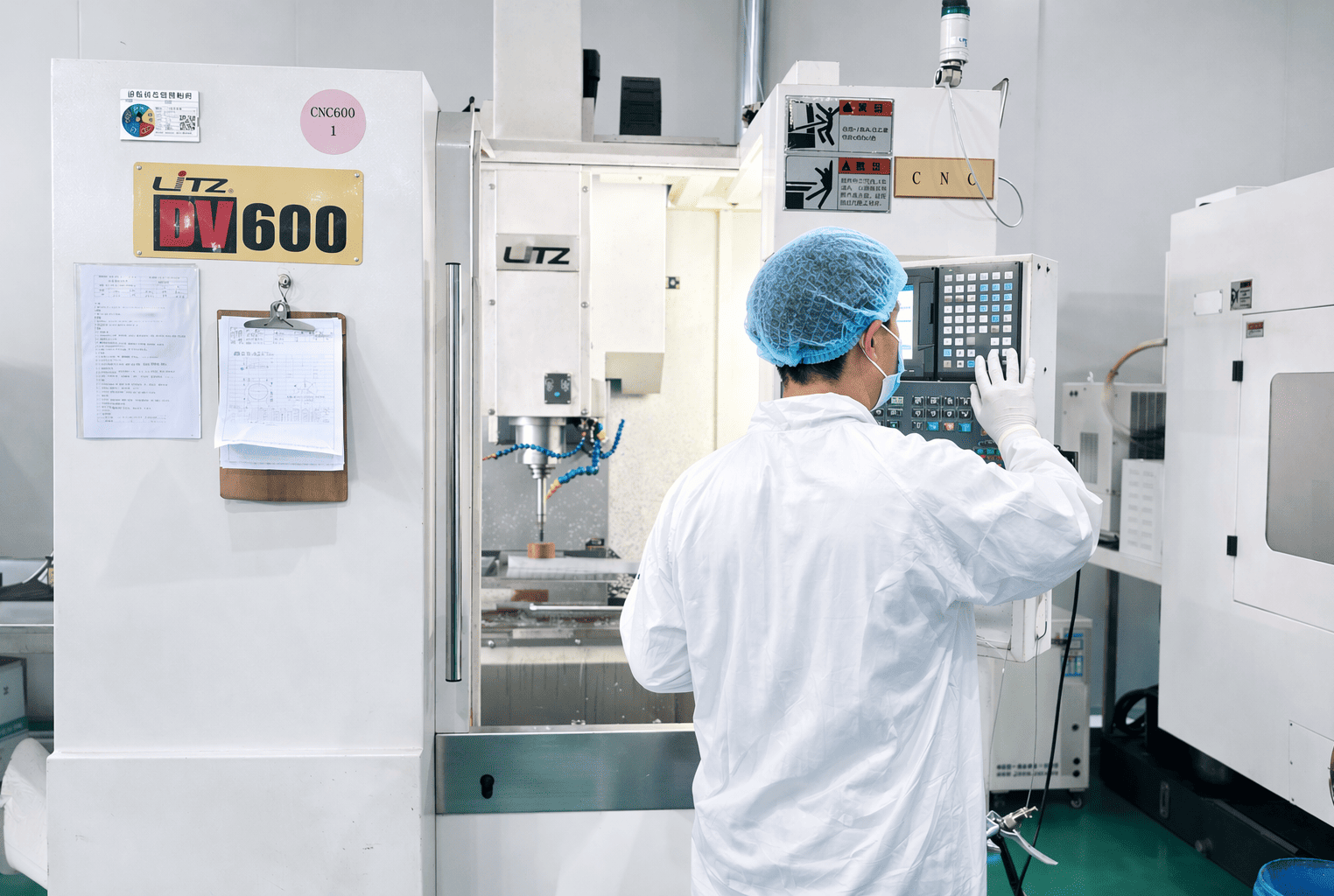
For healthcare distributors, procurement teams, and OEM partners, product selection often involves considerations beyond clinical performance alone.
Common purchasing criteria include:
Sterility Assurance
Single-use sterile devices help support infection control protocols and simplify clinical workflow.
Catheter Dimensions
Length, diameter, and design characteristics should align with intended clinical applications and user preferences.
Packaging Options
Individual sterile packaging, procedure kits, and customized packaging formats may all influence purchasing decisions.
OEM and Private Label Capabilities
Many distributors seek suppliers capable of supporting private labeling, custom branding, and regional regulatory requirements.
Supply Continuity
Reliable manufacturing capacity and stable supply chains remain important considerations, particularly for high-volume healthcare systems and distribution partners.
Conclusion
As respiratory diagnostics continue to evolve, healthcare providers are placing greater emphasis on obtaining reliable lower-airway samples.
Bronchoalveolar lavage catheters remain an important tool in supporting accurate sample collection while helping clinicians gather the information needed to make informed treatment decisions.
Whether used in human healthcare or veterinary medicine, BAL procedures continue to play a valuable role in the diagnosis and evaluation of complex respiratory conditions.
| Bronchoalveolar Lavage (BAL) Catheters > |