
 Français
 Español
 Products

 About Us




What Are Nasal and Oral Suction Devices?
Nasal and oral suction devices are devices used to remove visible secretions from the nose or mouth. In infant and pediatric home care, they are most commonly used to help clear nasal mucus, residual oral secretions, or saliva when a baby cannot clear them effectively on their own. Common product types include infant nasal aspirators, bulb syringes, and other manual suction devices designed for gentle secretion removal.
In clinical settings, nasal and oral suction devices may also refer to medical suction products used by trained professionals for secretion management. However, home-use infant suction devices are different from hospital suction systems and should only be used according to their intended instructions.
What Is a Nasal Aspirator?
A nasal aspirator is a type of nasal suction device designed to remove mucus from a baby’s nose. It is commonly used when infants have nasal congestion caused by colds, allergies, or excess mucus buildup. Some models use manual suction, while others use bulb compression or powered suction.
For many caregivers, the terms nasal aspirator, baby nasal suction device, and infant nasal suction device are used in similar ways, although the design may differ from product to product.
Common Types of Nasal and Oral Suction Devices
Infant Nasal Aspirator
An infant nasal aspirator is designed to help remove visible mucus from a baby’s nostrils. It is often used before feeding or sleep when congestion affects comfort.
Bulb Syringe
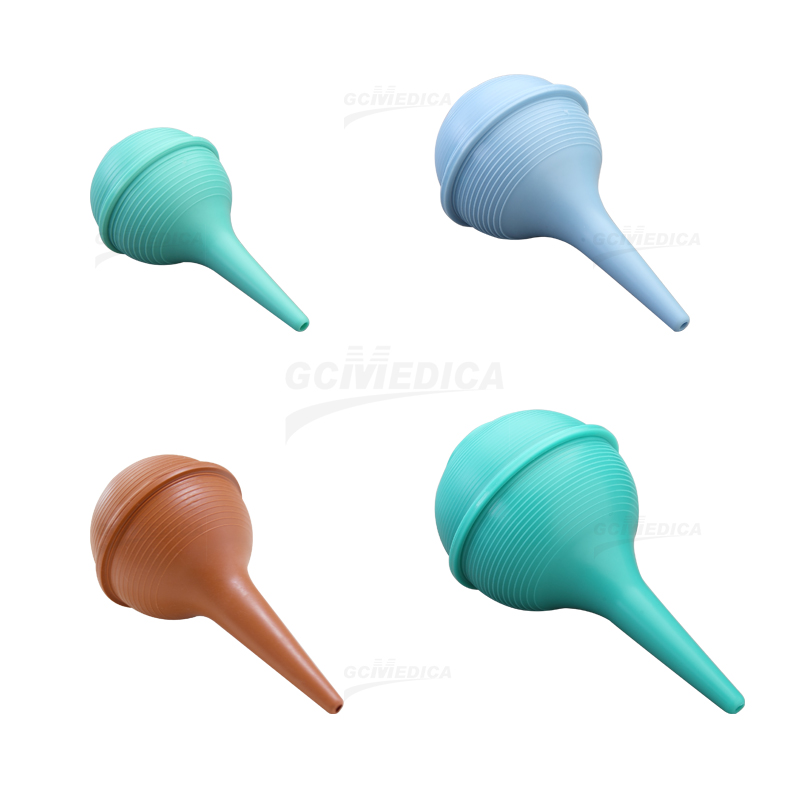
A bulb syringe is a manual suction device that creates suction when the bulb is compressed and released. It is a common type of infant nasal suction device and is often used for simple home care.
Oral Suction Device for Visible Secretions
Some nasal and oral suction devices may also be used to remove visible oral secretions near the front of the mouth, such as pooled saliva or post-feeding residue, when appropriate for the product design and instructions.
Clinical Suction Devices
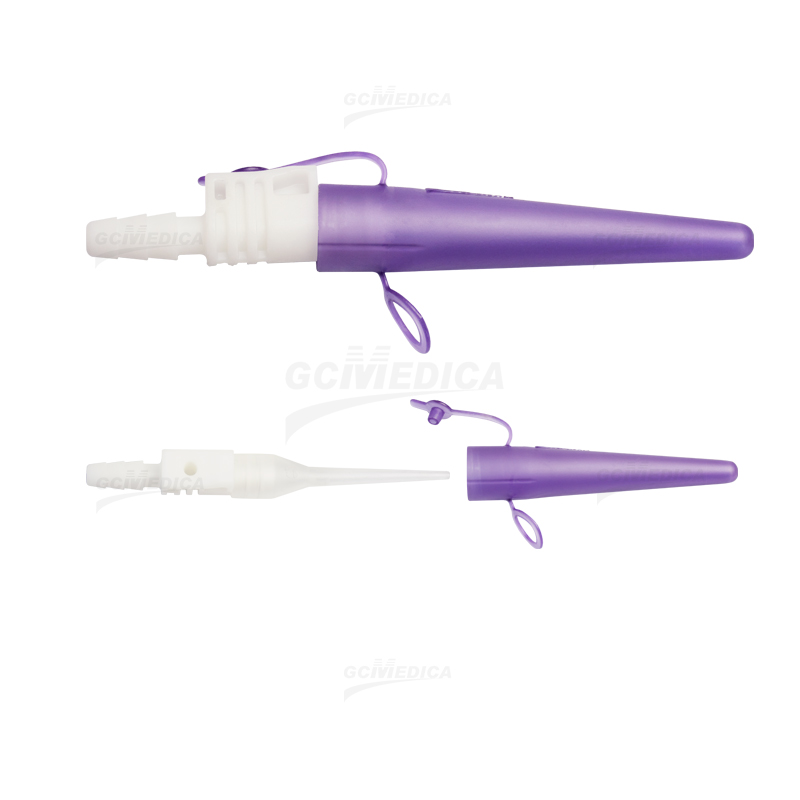
Clinical suction devices are intended for supervised medical use. These products may be used in hospitals, newborn care, post-operative care, or other professional settings where patients need help clearing secretions.
What Are Nasal and Oral Suction Devices Used For?
Nasal and oral suction devices are used to help clear visible secretions and improve comfort in appropriate care situations.
Common uses include:
removing visible nasal mucus from infants and young children
helping relieve stuffy nose discomfort before feeding or sleep
clearing visible oral secretions when appropriate
supporting secretion management in supervised clinical settings
For infant home care, these devices are most often used for nasal congestion rather than deep oral or airway suction.
When Should You Use a Nasal or Oral Suction Device?
A caregiver may consider using a nasal or oral suction device when:
a baby has visible nasal mucus with congestion
nasal blockage seems to affect feeding comfort
congestion makes it harder for the baby to sleep comfortably
visible oral secretions are present and the product instructions allow gentle oral use
If symptoms are severe or persistent, suction should not replace medical evaluation.
How to Use a Nasal Aspirator Safely
The exact method depends on the product, but general home-use steps usually include the following:
1. Wash Hands and Prepare the Device
Make sure the suction device is clean and properly assembled before use.
2. Loosen Thick Mucus if Needed
If mucus is thick or dry, saline drops may help loosen it before suction, depending on the infant’s age and the product instructions.
3. Position the Baby Gently
Place the baby in a supported position and keep movements calm and gentle.
4. Suction Gently
For nasal suction, work on one nostril at a time. Place the tip gently at the nostril opening and avoid forceful insertion. For oral use, remove only visible secretions near the front of the mouth if the device is intended for that purpose.
5. Clean the Device After Use
Disassemble and clean the product according to the manufacturer’s instructions. Proper cleaning helps reduce contamination risk and supports safer reuse when applicable.
Mouth or Nose First?
If both oral and nasal secretions are visible, caregivers often focus first on the area where secretions are most likely to affect comfort or breathing. In infant home care, nasal suction is usually the main use case. If oral secretions are present, only gentle removal of visible front-of-mouth secretions should be considered unless a healthcare professional advises otherwise.
The key points are to keep suction gentle, avoid deep insertion, and stop if the baby becomes highly distressed.
Safety Tips for Using Nasal and Oral Suction Devices
To use nasal and oral suction devices more safely:
keep suction gentle and brief
avoid deep insertion into the nose or mouth
do not use damaged or deformed tips
clean the device after each use
do not share a home-use suction device between users
follow the manufacturer's instructions for age range, cleaning, and reuse
When Not to Rely on Home Suction Alone
Home-use suction devices are intended for basic secretion removal, not emergency airway care. Seek medical attention promptly if a baby or patient has:
severe breathing difficulty
bluish lips or signs of poor oxygenation
repeated choking episodes
poor feeding that does not improve
unusual lethargy
persistent symptoms that concern a caregiver
Nasal Aspirator vs Bulb Syringe
Both nasal aspirators and bulb syringes are used to remove visible mucus, but their designs differ.
A nasal aspirator often offers more controlled mucus removal depending on the model. A bulb syringe is simple and widely recognized, but the exact user experience varies by shape and design. Choosing between them depends on age, caregiver preference, cleaning method, and product instructions.
Are Home-Use Devices the Same as Clinical Suction Devices?
No. Home-use infant nasal and oral suction devices are designed for gentle removal of visible secretions. Clinical suction devices are medical products used in supervised settings for broader secretion management needs. They are not interchangeable.
FAQ
Are nasal and oral suction devices safe for babies?
Many infant nasal suction devices are designed for baby care, but they should be used gently and according to the product instructions.
Can I use a nasal aspirator before feeding?
Many caregivers use nasal suction before feeding when congestion affects comfort, but always follow the product instructions and seek medical advice if symptoms are significant.
Can these devices be used in the mouth?
Some products may be suitable for gentle removal of visible oral secretions near the front of the mouth, but deep oral suction is not appropriate for routine home care unless directed by a healthcare professional.
How often should I use a suction device?
Use only as needed and avoid excessive suctioning that may irritate tissues.
What is the difference between a bulb syringe and a nasal aspirator?
A bulb syringe is one type of nasal suction device. A nasal aspirator may use a different design and can offer a different level of control depending on the product.