

 Français
 Español
 Products
 About Us



Over the past decade, laparoscopy has become the standard of care for a vast range of procedures. In many modern surgical suites, MIS cases now account for over 60% of the daily schedule. Reliable insufflation tubing is the foundation of these procedures.
However, the market is flooded with options: different connectors, varying filtration efficiencies, and the choice between standard insufflation tubing laparoscopic and heated insufflation tube. This often creates an information gap between the Procurement Department (focused on cost and compliance) and the Operating Room (focused on usability and safety).
This guide moves beyond simple price comparison. Our goal is to build a "needs-based selection framework" that helps you translate clinical scenarios into the most appropriate, cost-effective procurement choices.
Before diving into products, it's essential to understand what you're buying.
Structural Overview
Material:
PVC: The most common, cost-effective material for single-use tubing.
Silicone: Offers greater flexibility and kink resistance, sometimes found in reusable or specialty tubes.
Length: The standard length is 3 meters. Bariatric or specialized procedures may require longer tubing (e.g., 3.5m or 4m), but always confirm with your insufflator's pump capacity.
Connector Standards: This is critical for compatibility.
D.I.S.S. (Diameter Index Safety System): The modern universal standard for most insufflators and trocars. It's gas-specific and prevents misconnections.
Screw-Type: Found on older or specific manufacturer equipment.
Proprietary: Unique connectors that lock you into a single vendor. These require careful verification.
The "Golden Triangle" of Selection
When evaluating a tube, focus on these three pillars:
Compatibility: Does the connector fit your existing insufflators and trocars seamlessly? A poor fit leads to gas leaks and unstable pressure.
Filtration: How does it protect your equipment and patient?
A high-quality filter (typically with a 0.2µm hydrophobic membrane) acts as a one-way barrier. It prevents bacteria, viruses, and fluids from traveling back into the insufflator, protecting a significant capital investment.
Functionality: Does your clinical scenario require more than just a gas conduit?
For long or high-risk cases, active heating to maintain core body temperature and reduce lens fogging becomes a key functional requirement.
Standard Insufflation Tubing – The Foundation for Routine Procedures
Definition & Scenario: Designed for routine, short-to-medium duration procedures (e.g., < 2 hours) where maintaining normothermia is not a primary concern. This includes many general surgery (e.g., cholecystectomy, appendectomy), gynecology, and urology cases.
Key Procurement Focus: Cost-effectiveness, reliable filtration efficiency, and universal compatibility.
Selection Logic for Filtration in Standard Tubes
Standard Filtration (0.2µm): Sufficient for the vast majority of routine surgeries to meet infection control standards.
High-Efficiency Filtration: May be considered for high-infection-risk patients or departments with ultra-strict air quality protocols.
Basic Tubing (No Filter): Only acceptable if the insufflator itself has a certified, in-line filter. Otherwise, this option poses a cross-contamination risk and is becoming obsolete in modern practice.
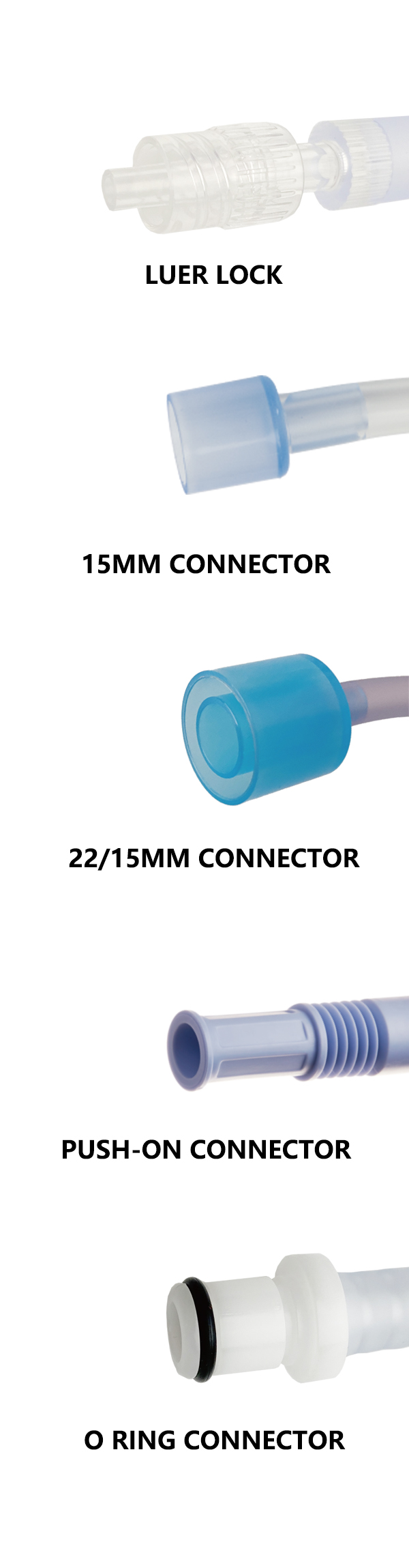
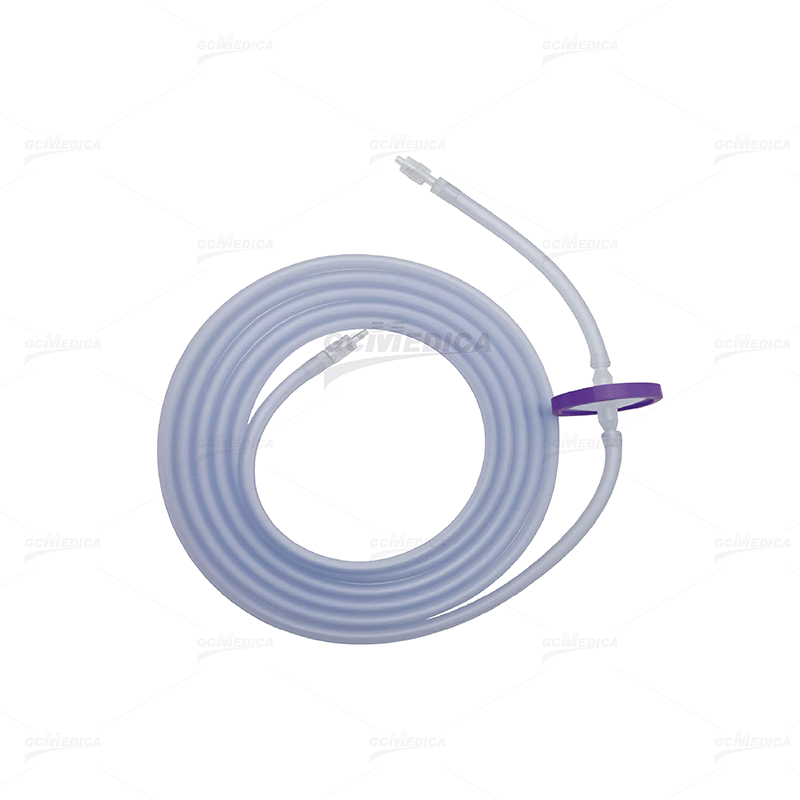
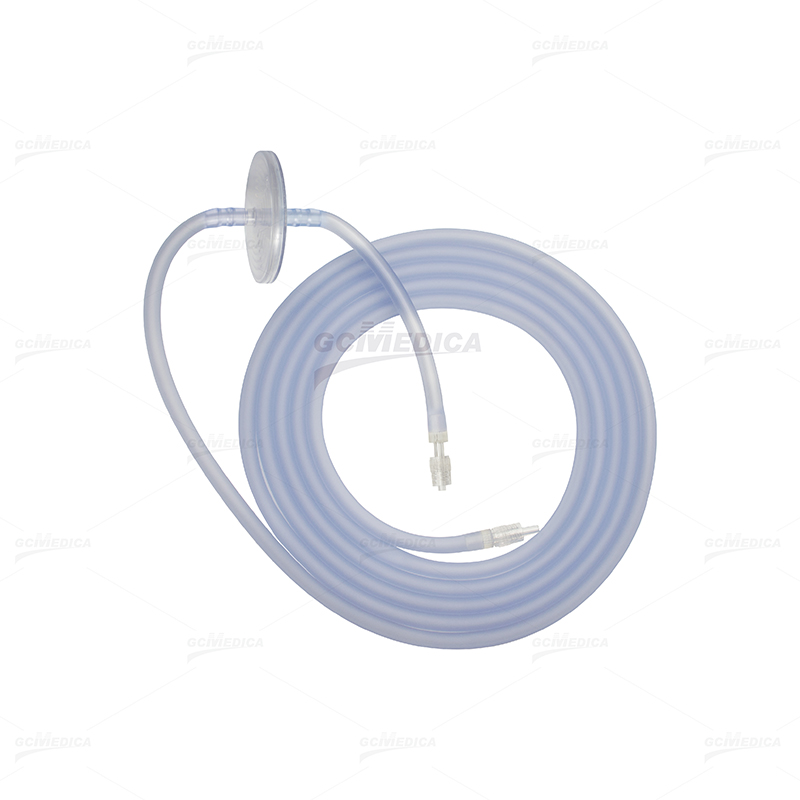
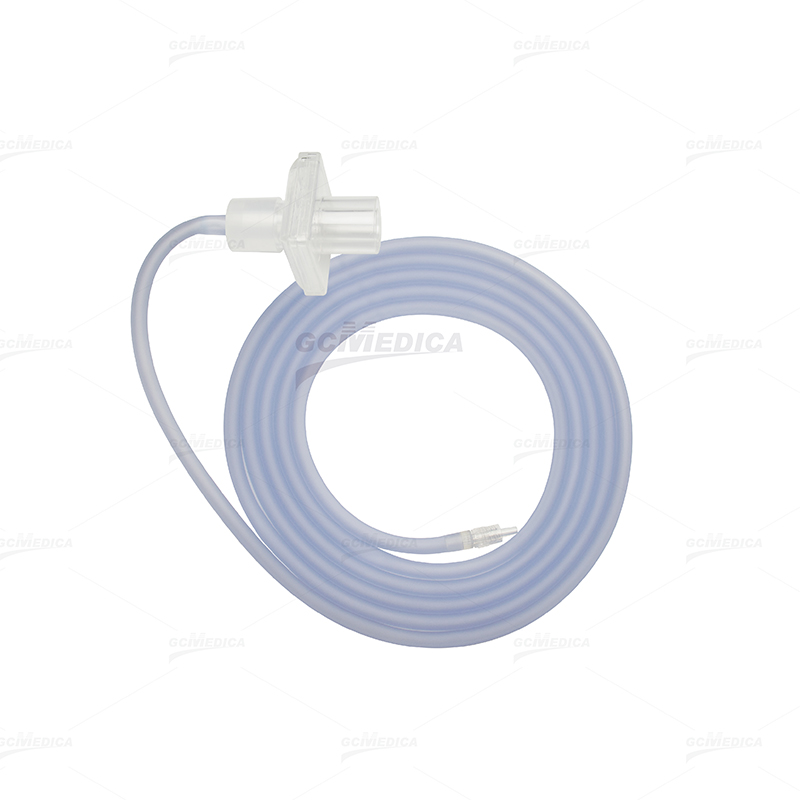
GC Medica Standard Insufflation Tubing – Selection Reference
The main difference between these four models lies in the filter model, but all three achieve a filtration efficiency of 99.99%.In addition, different designs also provide different options for medical systems.
| Product Type | Filter Type | Connector | Recommended Application |
| Filter #0 |
| 1.Ambulatory Surgery Centers (ASCs) or high-turnover minor procedure rooms. Prioritizes essential filtration and cost control. 2.Long or complex procedures (e.g., colorectal, thoracic). Offers extra protection against kinking during patient repositioning. 3.Strict infection control environments (e.g., ID units, laminar flow ORs). Ensures sterility until the moment of use. |
| Filter #1 | ||
| Filter #2 | ||
| Filter #3 |
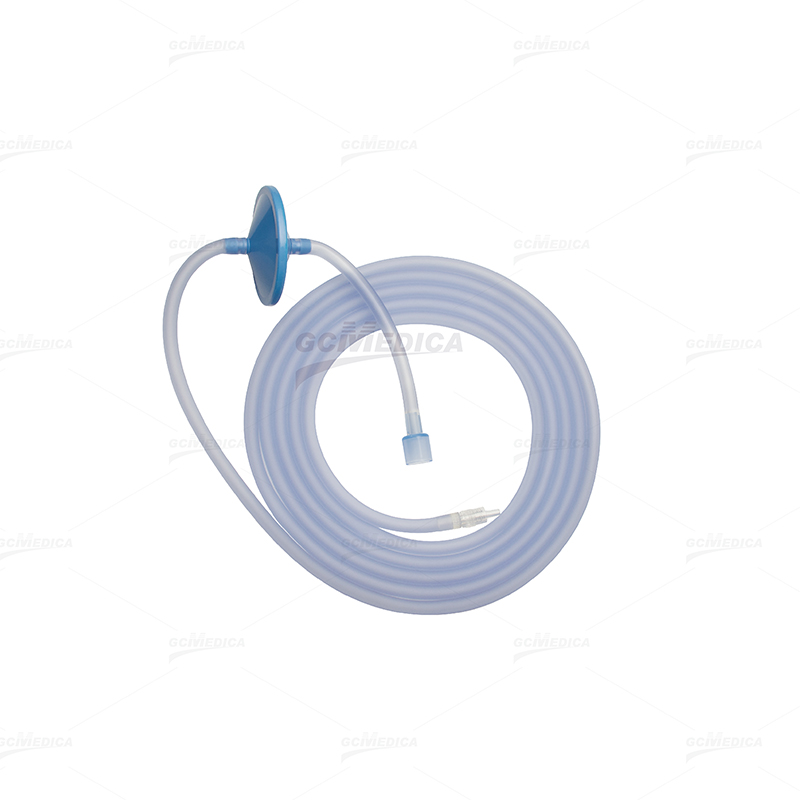
Heated Insufflation Tubing – A Growing Trend for Enhanced Care
Definition & Scenario: Indicated for longer procedures (e.g., > 2 hours), pediatric surgery, geriatric patients, or any case where preventing hypothermia and reducing scope fogging is a priority.
How It Works: These tubes use active technology to warm the CO2 gas as it passes through.
Active Circulation: Warm water or a heating element surrounds the inner gas pathway.
Electric Heating Wire: A low-voltage wire embedded in the tube wall maintains a constant temperature.
Key Procurement Focus: Temperature stability and consistency, heating uniformity, and the integration of the heating element with the filter.
GC Medica Heated Insufflation Tubing – Selection Reference
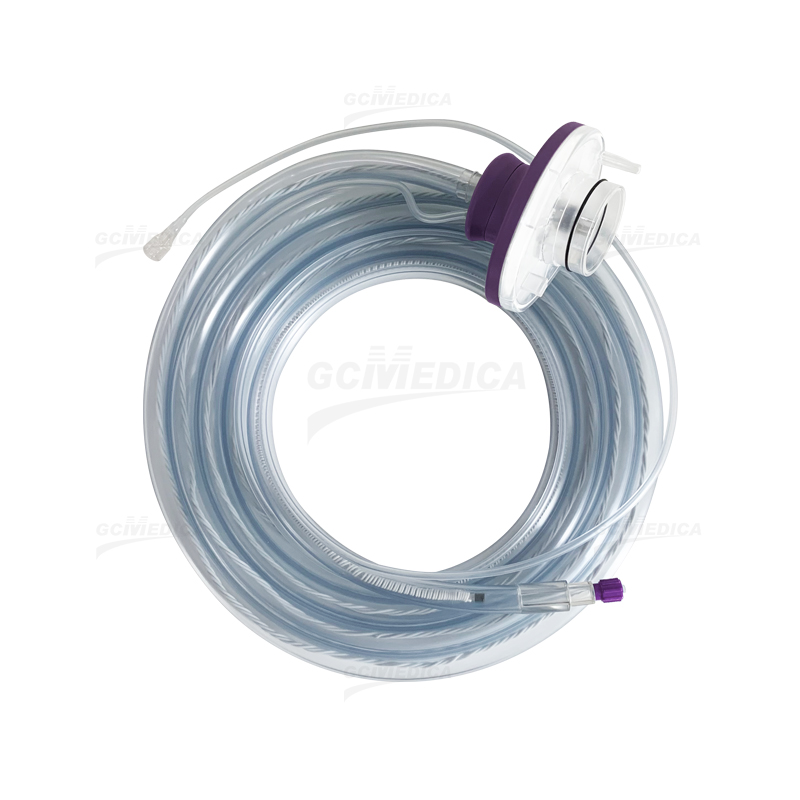
These two models incorporate both heating and filtration, distinguished primarily by how the components are integrated.
| Product Type | Filter Type | Description |
| Filter #3 | High flow heated insufflation tubing for Ui500 insuffl ator of Karl Storz |
| Filter #4 | Heated high flow tube set with Real-time pressure sensor |

Conclusion – Building a Sustainable Procurement Cycle
There is no single "best" insufflation tube. The optimal choice is the one that best fits your hospital's specific mix of equipment, clinical needs, and financial goals.
We strongly recommend establishing a "Try-Confirm-Procure" cycle:
Try: Begin with a small-scale trial of the shortlisted models to test for compatibility, clinical satisfaction, and ease of use.
Confirm: Gather feedback from surgeons and OR nurses. Compare the real-world performance against the clinical scenarios identified in this guide.
Procure: Use the trial data to build a final procurement list that is clinically validated and economically sound.
By moving beyond simple price comparison and adopting a needs-based framework, you can build a rational, efficient, and clinically excellent insufflation tubing inventory for 2026 and beyond.